
Akhrot (Walnuts)

900.00

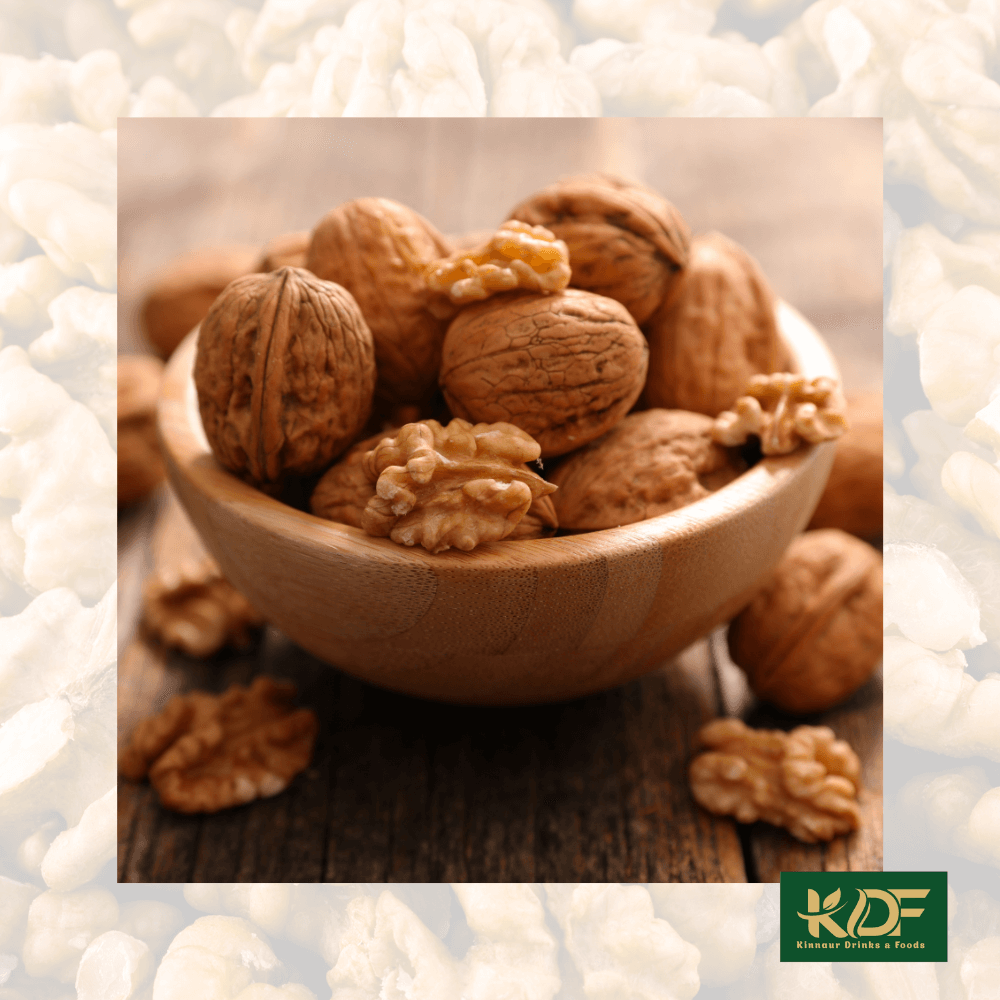
Walnuts (Akhrot) packed with healthy essential fats, antioxidants, vitamins, trace minerals, protein and fiber are a veritable super food.  These tree nuts have negligible sodium, are cholesterol free and are unique in the fact that they contain poly unsaturated fats.  Walnuts are linked to a number of health benefits.

SKU: N/A Category:

Product description

Kinnaur Walnuts (Shelled Akhrot) Himalayan Brain Food, Ready to Eat

The walnut you buy at the local market or off a supermarket shelf almost certainly has no information attached to it. No origin, no orchard, no harvest season, no way to know if it was grown in India or imported, with chemicals or without. Our walnuts come from the orchards of Kinnaur district, Himachal Pradesh. We know exactly which valley, which farming community, and approximately which harvest season because we bought them directly from the people who grew them.

These are shelled Kinnaur walnuts, cleaned, ready to eat, and packaged without additives or treatment. The flavour is distinctly nuttier and slightly sweeter than Kashmiri varieties, a characteristic of the specific soil composition and microclimate of Kinnaur’s valleys.

Feature Kinnaur Walnuts (Ours) Standard market walnuts
Growing altitude 1,400-2,200 metres above sea level Variable, often lowland or semi-arid
Chemical use Practically none, altitude makes it impractical Often treated with fungicides and pesticides post-harvest
Flavour profile Slightly sweeter, richer, nuttier Milder, sometimes slightly bitter
Origin traceability Full, Kinnaur district, direct from orchards Usually anonymous supply chain
Nutrient density Higher Omega-3 concentration, slower growth Variable, dependent on soil and growing conditions
FSSAI certified Yes Depends on brand

Buy Kinnaur Walnuts – Ready to Eat

Shelled. Chemical-free. Direct from Kinnaur orchards. FSSAI certified. Free delivery on orders above ₹2,500.
Nutritional profile

Nutrient / Property Benefit / Detail
Omega-3 (ALA) One small handful (28g) provides approximately 2.5g of ALA, the plant-based Omega-3 fatty acid. Critical for heart and brain health.
Protein Approximately 4g per 28g serving, useful contribution for vegetarian and plant-based diets.
Antioxidants Walnuts contain polyphenols and tocopherols (Vitamin E), among the highest antioxidant content of any tree nut.
Magnesium Supports bone density, blood pressure regulation, and muscle and nerve function.
Copper Essential for iron absorption, energy production, and immune function.
Fibre (dietary) Approximately 2g per 28g serving. Supports gut health and sustained satiety.
Melatonin precursors Walnuts are one of few food sources of melatonin, some research suggests evening consumption may support sleep quality.

How to eat and use Kinnaur walnuts

Daily snacking - the simplest use:

A daily handful (28-30g, approximately 7 whole walnuts) is the quantity most commonly cited in nutritional research. Eat as-is, or toast lightly in a dry pan to deepen the flavour.

In Indian cooking:

  • Chutney base - walnut chutney (akhrot ki chutney) is a traditional Kashmiri and Himachali condiment made with walnuts, fresh coriander, green chilli, and garlic.
  • Garnish for halwa and desserts - walnuts add texture and richness to atte ka halwa, sooji halwa, and kheer.
  • In biryanis and pulaos - scattered through the rice in Kashmiri-style dishes.
  • Savoury raita additions - chopped walnuts in curd-based raitas alongside pomegranate or mint.

Baking and breakfast:

  • Granola and muesli additions - roughly chopped and toasted.
  • Banana bread, muffins, and biscotti.
  • Overnight oats - soaked walnuts are softer and digest more easily.

Note on soaking: Soaking walnuts overnight in water and consuming in the morning is a traditional practice in Ayurveda. Soaking reduces the phytic acid content slightly and softens the texture, making them easier to digest for some people. The taste becomes milder and less bitter.

Frequently asked questions

Are Kinnaur walnuts better than Kashmiri walnuts?

Different, not simply better or worse. Kashmiri walnuts are widely regarded as among the best in India, and they are. Kinnaur walnuts are their Himachali counterparts: grown at similar altitudes, with similar quality credentials, but with a slightly different flavour profile, somewhat sweeter and richer, reflecting the specific soil and microclimate of Kinnaur's valleys. For people who have eaten both, the differences are noticeable and largely a matter of preference.

Are shelled or unshelled walnuts better?

Neither is objectively better, they suit different needs. Shelled walnuts are more convenient, ready to eat immediately, easier to incorporate into cooking and baking. Unshelled walnuts offer better freshness, the shell protects the walnut from oxygen and light, extending shelf life significantly. See our Unshelled Walnuts page if you want the longer-storage option. [INSERT LINK to unshelled product page]

How should I store shelled walnuts?

In an airtight container, away from light and heat. Shelled walnuts are more susceptible to rancidity than unshelled because the exposed fat oxidises when in contact with air. For quantities you won't use in 2-3 weeks, store in the refrigerator or freezer in a sealed bag.

Can I eat walnuts if I'm on blood-thinning medication?

Walnuts contain Vitamin K and Omega-3 fatty acids, both of which can interact with blood-thinning medications like warfarin. If you are on anticoagulant therapy, consult your doctor before significantly increasing walnut consumption.

Also available: Kinnaur Walnut Oil (cold-pressed from the same Kinnaur orchards) and Unshelled Walnuts (in-shell for maximum freshness).

Additional information

Quantity

1KG