
Product description
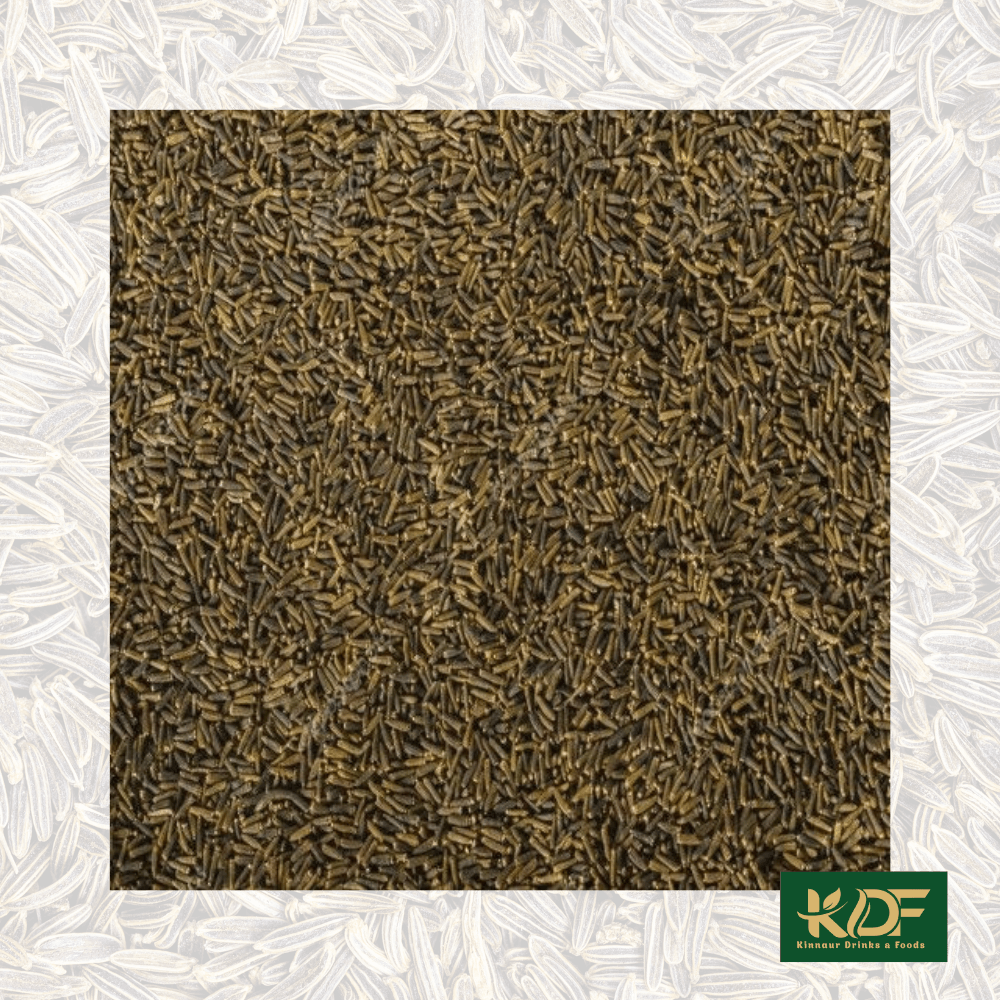
Kala Zeera from Kinnaur, GI Registered No. 432, Wild-Harvested
This is the only Kala Zeera on the Indian internet that is Geographical Indication (GI) registered under the GI Act 1999. Registration Number 432. That certificate, issued by the Government of India, legally verifies that this product is genuinely from Kinnaur district, Himachal Pradesh, and meets the regional quality standards of authentic Kinnaur Kala Zeera. No other Kala Zeera seller can legally claim this registration number because it belongs specifically to this variety, from this region.
GI tags are not marketing claims. They are legal instruments, the same framework that protects Darjeeling tea, Basmati rice, and Alphonso mangoes. A GI-tagged product has a government-verified origin. What you’re buying is authenticated, not claimed.
What is Kala Zeera, and what it is NOT
The confusion is understandable. All three are sometimes called “kala zeera” in different regional contexts. The GI-registered Kinnaur Kala Zeera (Carum carvi) is botanically distinct from kalonji (Nigella sativa), which has entirely different properties and uses. Always check the botanical name if in doubt.
| Name | Botanical species | Also known as | Where grown | GI certified? |
|---|---|---|---|---|
| Kala Zeera (Kinnaur) | Carum carvi | Shahi Jeera, Black Caraway, Persian Cumin | Wild-harvested: Kinnaur, Himachal Pradesh | Yes, GI No.432 |
| Kalonji | Nigella sativa | Black seed, Nigella, Onion seed | Widely cultivated across India and Middle East | No |
| Regular Cumin (Jeera) | Cuminum cyminum | White Jeera, Safed Jeera | Rajasthan, Gujarat, MP, commercially farmed | No |
Wild-harvesting from Kinnaur’s high-altitude forests
Kala Zeera is not cultivated in Kinnaur. It grows wild in the high-altitude forest areas of the district, at elevations above 2,000 metres, and is collected by local community members who have been harvesting it for generations. The collection happens when the seeds reach maturity in summer, gathered by hand from the wild plants in their natural habitat.
This wild-harvest origin has two implications: the supply is limited by what nature produces in a given season, and the product is naturally free of synthetic inputs. No agricultural chemicals reach a wild plant growing in a remote high-altitude forest.
Medicinal and culinary properties
| Property / Compound | Benefit / Detail |
|---|---|
| Digestive support | Kala Zeera is a traditional carminative, used in Ayurveda to help prevent indigestion, bloating, and flatulence. |
| Blood sugar (traditional use) | Traditionally associated with blood sugar regulation in Ayurvedic practice. Some research suggests Carum carvi may have relevant properties. |
| Cough and cold (traditional) | Used in traditional mountain medicine for respiratory complaints including cough, cold, and congestion. |
| Antimicrobial properties | Research on Carum carvi essential oils suggests antimicrobial activity. Traditional use aligns with this. |
| Anti-inflammatory | Carvone (primary active compound) has demonstrated anti-inflammatory properties in laboratory research. |
| Liver health (traditional) | Used in traditional Himalayan medicine to support liver function and detoxification. |
| GI tag significance | Government-certified origin (GI No.432) confirms variety authenticity. You’re getting true Carum carvi from Kinnaur, not substituted varieties. |
Buy GI-Certified Kinnaur Kala Zeera, GI No.432
The only legally GI-registered Kinnaur Black Cumin available online. Wild-harvested. FSSAI certified. Free delivery above ₹2,500.
Add to Cart → https://kinnaurdrinksandfoods.com/product/kala-zeera-black-cummins/