
Kinnaur Almonds (UNSHELLED)

2,000.00

Kinnaur Almonds are packed with vitamin E, magnesium and potassium, which helps oxygen and nutrients flow more freely through the blood.

SKU: N/A Category:

Product description

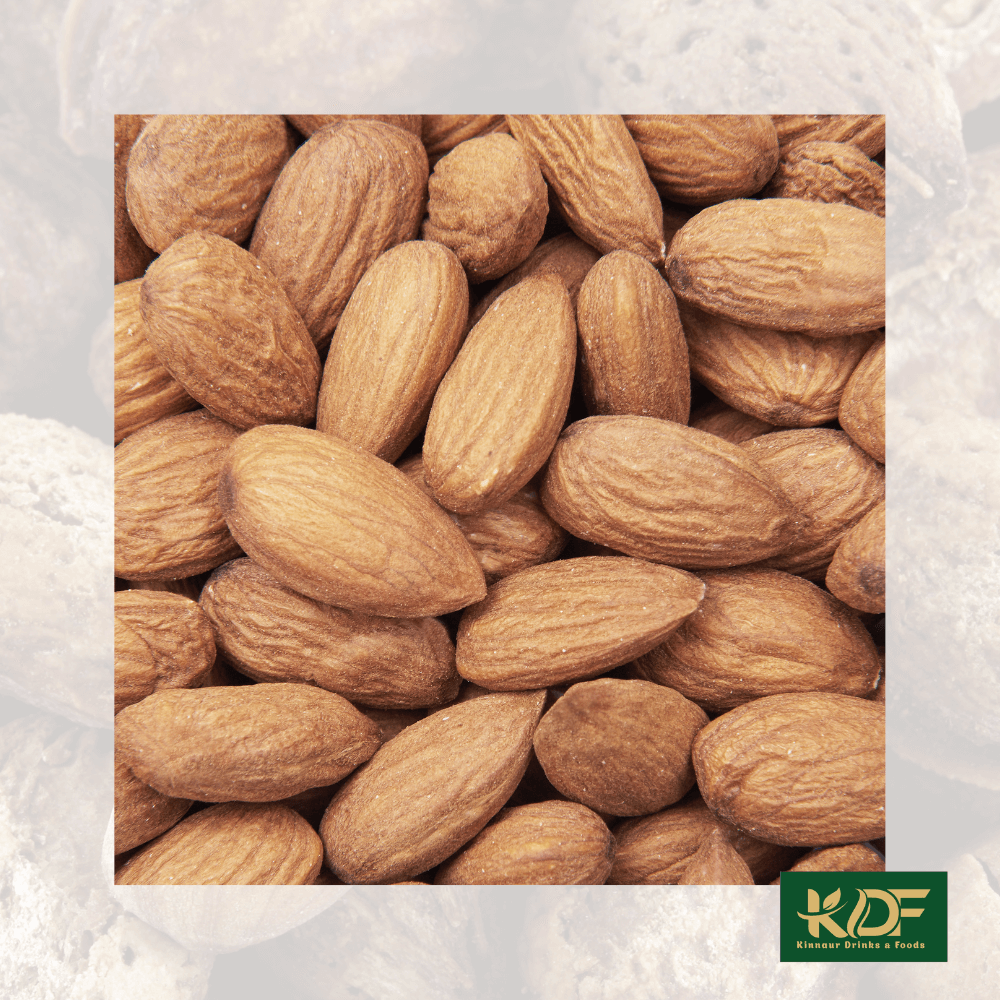
Kinnaur Almonds (Kinnauri Badam) India’s Thin-Shell Premium Almond

There is more than one premium almond variety grown in India. Most people know Kashmiri almonds. Far fewer know about Kinnauri Badam the paper-thin-shell almond grown specifically in Kinnaur district, Himachal Pradesh. The two varieties are different in shell thickness, flavour profile, growing altitude, and cultural context. Both are exceptional. The Kinnauri variety has been less widely marketed not because it’s inferior, but because Kinnaur’s remoteness has historically made distribution difficult.

We sell Kinnaur Almonds unshelled whole, in their characteristic paper-thin shells. The thin shell is not just a convenient feature; it’s the defining characteristic of the Kinnauri Badam variety. Most other Indian almonds require a nut cracker to open. Many Kinnauri almonds can be cracked between two fingers.

Kinnauri Badam vs other Indian almonds honest comparison

Feature Kinnauri Badam (Ours) Kashmiri Almonds Commercial Indian Almonds
Shell thickness Paper-thin often finger-crackable Medium-thin Harder shells
Growing altitude 1,400–2,500m above sea level 1,500–2,500m above sea level Variable, often lower
Flavour Slightly sweet, rich, mild bitterness Distinctive, mild sweet-bitter balance Milder, less distinctive
Chemical use Practically none high-altitude farming Low mountain farming tradition Variable often commercial inputs
Origin specificity Kinnaur district, HP GI recognised variety Kashmir valley Varies by state and farm
Availability online Limited few sellers carry authentic Kinnauri Widely available Very widely available

Why ₹2,000 the value argument

Kinnauri almonds are priced higher than commercial Indian almonds for several compounding reasons: the Kinnauri variety is grown in smaller quantities in a specific high-altitude region, the thin shell means more care is required in handling and transport (damage rates are higher), collection is by tribal farming families rather than industrial operators, and the supply chain is direct rather than through wholesale aggregators. At from ₹2,000, you’re buying a regionally specific, genuinely rare variety from a traceable, ethical source. Not a volume commodity.

Buy Kinnaur Almonds (Unshelled)

Paper-thin shell. Chemical-free. Direct from Kinnaur orchards. FSSAI certified. Free delivery on orders above ₹2,500.

Nutritional profile

Nutrient Benefit / Detail
Vitamin E Approximately 25mg per 100g one of the richest plant sources. Antioxidant, skin health, immune support.
Magnesium Approximately 270mg per 100g. Bone density, blood pressure regulation, muscle and nerve function.
Potassium Supports cardiovascular health, fluid balance, and muscle contraction.
Protein Approximately 21g per 100g significant plant protein, important in vegetarian and vegan diets.
Monounsaturated fats High in oleic acid (Omega-9) associated with cardiovascular health and metabolic stability.
Dietary fibre Approximately 12g per 100g. Gut health, cholesterol management, blood sugar stabilisation.
Calcium Bone and teeth health, nerve transmission, blood clotting.

How to eat Kinnaur Almonds

Raw the simplest approach

Crack the thin shell, remove the papery inner skin if desired, and eat raw. The mild, slightly sweet flavour makes them excellent as a standalone snack. The papery inner skin is slightly bitter some prefer to remove it by soaking overnight.

Soaked the Ayurvedic method

Soaking almonds overnight in water is a traditional Ayurvedic practice. It reduces phytic acid, loosens the skin (which then peels away easily), and makes the almond easier to digest. Soaked almonds are softer, mildly sweeter, and considered more suitable for daily morning consumption in Ayurvedic tradition.

  • Soak 8–10 almonds in water overnight (or for at least 6 hours).
  • Drain, peel the loosened skin, and eat on an empty stomach in the morning.
  • Soaked almonds are particularly good for people who find raw almonds difficult to digest.

In cooking

  • Almond milk: Blend soaked, peeled almonds with water and strain. Naturally sweet no additives needed.
  • In dry fruit ladoos: Ground roasted almonds with jaggery, ghee, and other dry fruits traditional winter nutrition.
  • As a garnish: Sliced or slivered over kheer, halwa, sheer korma, and biryani.
  • Almond chutney: Blanched almonds blended with coconut, green chilli, and garlic South Indian style.

Frequently asked questions

How do I crack the thin-shell almonds?

Most Kinnauri almonds can be cracked by pressing gently between thumb and forefinger the paper-thin shell splits easily. For harder individual nuts, a gentle press with the flat of a knife blade works. Avoid heavy nut crackers designed for thick-shell nuts they will crush the kernel.

Are these almonds raw or roasted?

These are sold raw, in-shell. You can roast them at home spread on a baking tray and roast at 160°C for 8–10 minutes. Light roasting deepens the flavour and makes the inner skin easier to remove.

Can I use Kinnauri almonds in almond milk?

Yes soak overnight, peel, blend with 4 cups of water per 100g of almonds, and strain through a muslin cloth. The higher Vitamin E content of Kinnauri almonds makes them a particularly good choice for almond milk if nutrition is your priority.

Additional information

Quantity

1KG