

Akhrot (Walnuts Unshelled)

1,800.00

Walnut kernels contain a high proportion of polyunsaturated fats (particularly Omega-3), which are particularly vulnerable to oxidation. Once the shell is removed, those fats begin reacting with oxygen in the air. The process is slow – properly stored shelled walnuts remain good for months – but it is constant. An in-shell walnut is in a natural sealed environment. The oxygen can’t get to the kernel. The fats stay stable.

SKU: N/A Category:

Product description

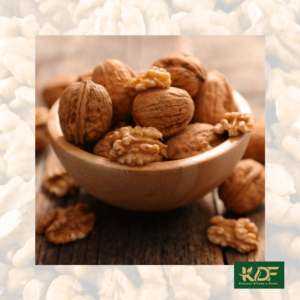
Unshelled Kinnaur Walnuts Crack at Home, Eat at Peak Freshness

Most people buy shelled walnuts because it’s easier. That’s a completely reasonable choice. But there is a real nutritional argument for buying unshelled and it comes down to what happens to a walnut once its shell is removed.

Walnut kernels contain a high proportion of polyunsaturated fats (particularly Omega-3), which are particularly vulnerable to oxidation. Once the shell is removed, those fats begin reacting with oxygen in the air. The process is slow properly stored shelled walnuts remain good for months but it is constant. An in-shell walnut is in a natural sealed environment. The oxygen can’t get to the kernel. The fats stay stable.

If you’re buying walnuts primarily for their Omega-3 content and you want to maximise nutrient integrity, the whole in-shell walnut is the better choice. You’ll crack them at home, yes. But you’ll be eating them at their freshest.


Why in-shell walnuts are fresher the science in plain language

Factor Unshelled (Whole) Shelled
Oxygen exposure None until you crack it Begins immediately after shelling
Light exposure None the shell is opaque Exposed during storage
Shelf life 6–8 months in cool, dry conditions 2–4 months without refrigeration
Omega-3 stability Maximum shell preserves fatty acid integrity Slowly diminishes with oxidation
Flavour at time of eating Freshest cracked immediately before consuming Good if stored well; slightly less fresh
Convenience Lower requires cracking High ready to eat

The honest summary: If you eat walnuts immediately after buying them and within 2–3 weeks, shelled is fine. If you buy in larger quantities, want maximum freshness for the longest time, or are buying primarily for Omega-3 benefits unshelled is the better choice.


How to crack Kinnaur’s thin-shell walnuts

Kinnaur walnuts are known for their relatively thinner shells compared to many Indian walnut varieties. This makes them easier to crack. You don’t need a specialised nut cracker for most Kinnaur walnuts a gentle tap with the back of a butter knife or the heel of your palm on a hard surface is often enough.

  • Method 1 The knife tap: Place the walnut on a wooden cutting board. Press the flat of a heavy knife blade firmly onto the walnut and apply downward pressure or tap the spine of the knife. The shell cracks cleanly.
  • Method 2 Two walnuts: Hold two walnuts in one hand and squeeze one will crack. Works well for thin-shelled varieties like Kinnaur.
  • Method 3 A standard nut cracker: Works perfectly, though the thin shells of Kinnaur walnuts mean you’ll need less force than you expect.


Buy Kinnaur Walnuts Whole In-Shell

Maximum freshness. Crack at home, eat immediately. FSSAI certified. From Kinnaur’s orchards. Free delivery on orders above ₹2,500.
Nutritional profile same as shelled, better preserved


The nutritional profile of unshelled Kinnaur walnuts is identical to the shelled variety. The difference is simply that the in-shell format preserves that profile better over time:

Nutrient / Property Benefit / Detail
Omega-3 (ALA) ~2.5g per 28g serving. Best preserved in-shell due to reduced oxidation.
Protein ~4g per 28g serving.
Antioxidants (polyphenols, Vitamin E) Higher integrity in fresh, just-cracked walnuts than in pre-shelled product stored over time.
Magnesium Bone density, blood pressure, muscle function.
Fibre ~2g per 28g serving.

How to store unshelled walnuts


  • Store in a cool, dry, well-ventilated place a jute bag, mesh bag, or wooden crate works well.
  • Avoid plastic bags for long-term storage they trap moisture and promote mould.
  • Do not refrigerate unshelled walnuts unless you are storing them beyond 6 months the temperature fluctuation when moving in and out of the fridge can cause condensation inside the shell.
  • Keep away from strong-smelling foods walnut shells are porous and can absorb odours over time.
  • Shelf life: up to 8 months in proper cool, dry conditions.

Frequently asked questions


Are unshelled walnuts difficult to crack?

Kinnaur walnuts are known for their relatively thin shells thinner than many other Indian walnut varieties. Most people find them easy to crack with a standard nut cracker or the methods described above. They are not the rock-hard shells of the wild walnuts found in some other Himalayan regions.

How do I know if a walnut inside the shell is still good?

Shake the walnut. A fresh walnut sounds solid the kernel fills the shell. If you hear the kernel rattling loosely, the walnut has dried out inside and may be past its best. If the shell has any visible mould or smells musty when cracked, discard it.

Can I buy a mix of shelled and unshelled?

Yes consider buying shelled walnuts for immediate use (snacking and cooking over the next 2–3 weeks) and unshelled for longer storage. We offer both: Shelled Kinnaur Walnuts → [INSERT LINK] and this page's Unshelled Walnuts for bulk or longer-term storage.

Why aren't unshelled walnuts more common online?

Unshelled walnuts are heavier to ship (shell adds weight), harder to photograph attractively, and less convenient for buyers accustomed to ready-to-eat products. Most online sellers prefer shelled for these commercial reasons. But for buyers who prioritise freshness and longer shelf life, unshelled is the logical choice and we're happy to make it available.

Additional information

Quantity

1KG