
Multiflora Honey

250.00 800.00Price range: ₹250.00 through ₹800.00

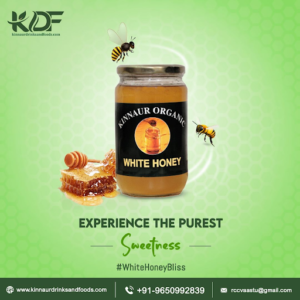
White honeys generally have a milder flavor as compared to darker honeys. Flowers that produce white honey include: Sage, Alfalfa, Fireweed, White Clover.  White honey doesn’t exactly look white. Instead it’s a very light amber or an almost clear “water-white” color.

SKU: N/A Category:

Product description

Himalayan Multiflora Honey from Chamba -Raw, Rich, and Full of Character

If White Honey is the delicate version -mild, light, ideal for gifting and teas -Multiflora Honey from Chamba is its more characterful sibling. Darker in colour, richer in flavour, and more complex in its aroma, Multiflora Honey draws from dozens of alpine wildflowers that bloom across Chamba’s forests through the season. Each batch tastes slightly different, because the flower mix shifts with altitude, rainfall, and season. That variability is a feature, not a defect.

At ₹250 for 250g, it’s also the most accessible entry point into genuine raw Himalayan honey -significantly cheaper than White Honey (which commands a premium for its specific flower sources and mild flavour) while delivering the same raw, unheated processing and Chamba beekeeper sourcing. For daily use in cooking, baking, or chai- Multiflora is the practical choice.

What “Multiflora” means – and why it matters

Monofloral honeys (like acacia, manuka, or our White Honey) come primarily from one type of flower. Multiflora honey comes from many, it is the natural output of bees foraging freely across a diverse floral landscape. In Chamba’s altitude forests, that landscape includes wild meadow flowers, alpine herbs, shrubs, and trees that shift through the season.

The nutritional benefit of multiflora honey is its polyphenol diversity ,the range of different antioxidant and bioactive compounds drawn from different plant species. Where monofloral honey may be very high in one specific type of phytonutrient, multiflora honey provides a broader spectrum of them. Both approaches have merit. They’re different, not hierarchical.

Buy Chamba Multiflora Honey, From ₹250

Raw, unheated. Multiple alpine wildflowers from Chamba’s forests. FSSAI certified. Free delivery above ₹2,500.
Nutritional profile and properties

Property / Compound Benefit / Detail
Polyphenol diversity Broader range of antioxidant compounds from multiple flower species, including flavonoids, phenolic acids, and terpenoids.
Antioxidant activity Raw multiflora honey has high ORAC (Oxygen Radical Absorbance Capacity) value, which reflects its free radical-scavenging potential.
Natural enzymes Amylase, invertase, and glucose oxidase are present in raw honey and destroyed by heating. These enzymes contribute to honey's antibacterial properties.
Pollen spectrum A wider pollen variety than monofloral honey, with natural pollen from Chamba's diverse alpine flora retained in raw, unfiltered form.
Prebiotic activity The oligosaccharides in raw honey may support beneficial gut bacteria, a traditional and increasingly researched property.
Vitamins and minerals B-complex vitamins, Vitamin C, calcium, potassium, iron, and magnesium are present in trace amounts.

How to use Chamba Multiflora Honey

In cooking, the most practical use

Multiflora's fuller flavour makes it the better honey for cooking applications where honey flavour needs to come through, not the delicate background note of white honey, but a proper honey character.

  • Marinades: A tablespoon of multiflora honey in a ginger-garlic-soy marinade for chicken, paneer, or tofu. The honey caramelises at heat, creating a flavourful crust.
  • Dressings: Honey-mustard or honey-lemon dressings for salads and roasted vegetables.
  • Chutneys: A spoonful stirred into tamarind chutney, date chutney, or mint raita adds depth without sweetness that reads as artificial.
  • Baking: Honey cake, honey-glazed bread, or used in place of jaggery in traditional sweet preparations.

In daily beverages

  • The richer flavour holds its own in strongly flavoured drinks, cardamom chai, ginger tea, black coffee.
  • Remember: Add to drinks cooled below 40°C to preserve the raw enzymes. Stir in after the cup has been off the heat for a minute or two.
  • A daily morning glass of warm water, multiflora honey, and fresh lemon juice, a widely used wellness routine in Ayurvedic tradition.

Direct eating and gifting

For buyers who want raw honey primarily for direct consumption and are comfortable with a bolder flavour profile, multiflora is an excellent daily honey. Many people prefer it over the milder white honey precisely because it tastes more emphatically of honey.

Additional information

Quantity

250g, 500g, 1000g