
Chest Nuts

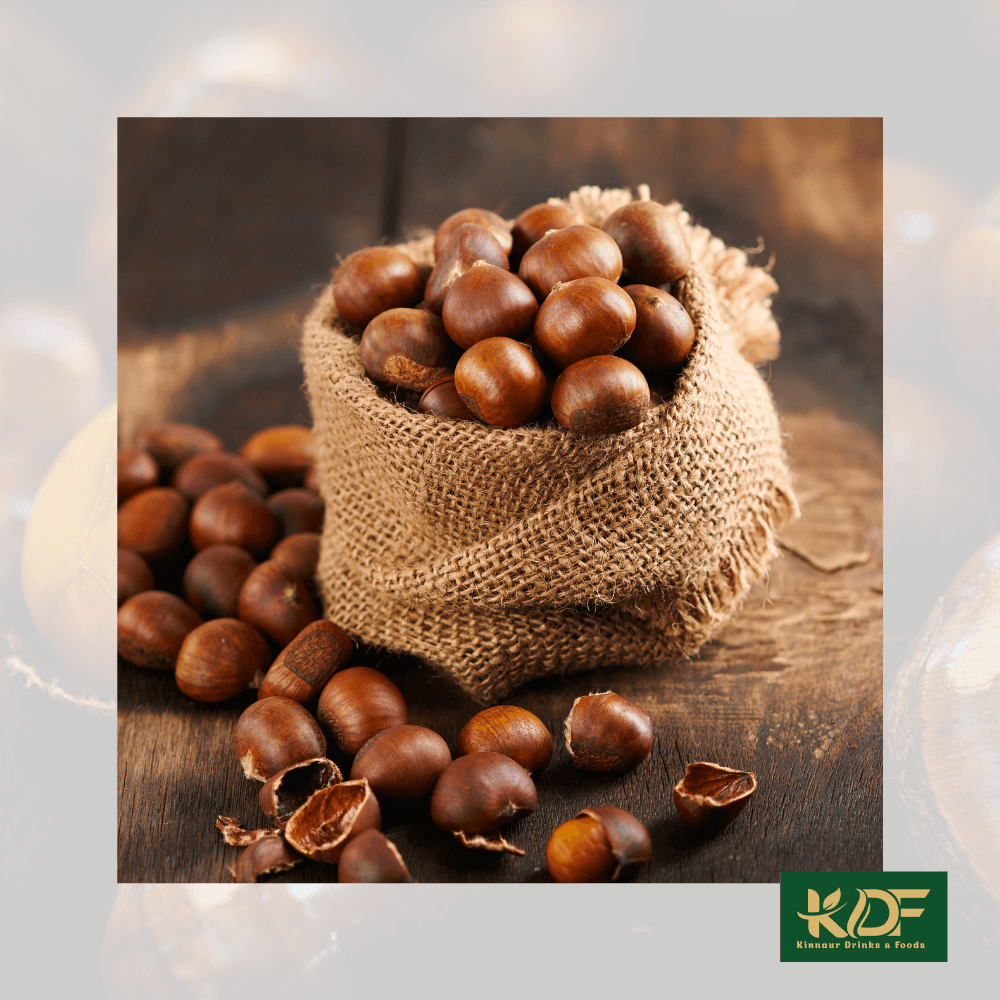
Buy fresh and high-quality chestnuts online in Delhi from Kinnaur Drinks and Foods. Experience the natural sweetness and unique texture of our premium chestnuts. Whether roasted, boiled, or used in various recipes, chestnuts are a versatile ingredient to elevate your dishes.

Category:

Product description

Kinnaur Chestnuts – Fresh Himalayan Harvest, October to December

Chestnuts have a brief season. In Kinnaur, the harvest runs from late October through December – when the trees shed their spiny husks and the nuts fall into the hands of the farming families who have been collecting them for generations. What you get is as fresh as a nut can be. Not stored for months in a cold warehouse, not imported from China, not waxed for shelf appearance. Fresh Kinnaur chestnuts, in season, from the people who grew them.

Outside of this window, chestnuts from Kinnaur are not available – and we won’t substitute inferior produce to fill the gap. If you’re reading this out of season, use the notification button below to be first in queue when the next harvest comes in.

Seasonal availability

Fresh Kinnaur Chestnuts are available from approximately October to December each year. Out of stock for the current period. Use the “Notify Me” button on this page to receive an email when the next harvest is ready to order.

What makes Kinnaur chestnuts different

Chestnuts are the only nut that is high in carbohydrates and low in fat, which makes them nutritionally unusual in the nut world. They’re also high in Vitamin C (uncommon in nuts), copper, and manganese. Kinnaur’s altitude and clean growing conditions mean the chestnuts are free of synthetic inputs – the high-altitude tribal farming that produces them is organic by necessity.

Buy Fresh Kinnaur Chestnuts – October to December

FSSAI certified. From Kinnaur tribal farming families. Pan-India delivery. Click Notify Me to be first when the next harvest is in.

Nutritional profile

Nutrient Benefit / Detail
Complex carbohydrates Primary energy source. Unlike most nuts which are fat-dominant, chestnuts are predominantly carbohydrate. Slow-releasing, sustaining energy.
Vitamin C Unusually high for a nut - approximately 40mg per 100g. Immune support, collagen synthesis, antioxidant.
Copper Enhances bone strength and boosts immune function. Supports iron absorption and red blood cell production.
Manganese Reduces risk of heart disease and certain cancers. Helps prevent blood clotting. Supports nervous system.
Dietary fibre Approximately 5g per 100g. Supports gut health, cholesterol management, and sustained satiety.
Low fat Only 2–3g fat per 100g - the lowest fat content of any tree nut. Good for calorie-conscious diets.
Gluten-free Naturally gluten-free - chestnut flour is used as a wheat alternative in certain traditional Indian and European recipes.

How to cook Kinnaur chestnuts

Roasting (the classic method)

  • Score a cross on the flat side of each chestnut with a sharp knife - this prevents them bursting in heat.
  • Place in a dry heavy-bottomed pan or in an oven at 200°C for 15–20 minutes.
  • The shell will split open at the scored cross. Peel while warm - the shell and inner papery skin come away easily.
  • Eat as-is or sprinkle with a pinch of rock salt.

Boiling

  • Score the chestnut skins, place in boiling water, and cook for 15–20 minutes.
  • Drain and peel while still hot. Boiled chestnuts are softer and creamier than roasted.
  • Good for adding to curries, rice dishes, or mashing into a spread.

In Indian cooking

  • Singhare ki sabzi: Chestnut and potato curry - a popular dish in Himachali and North Indian winter cooking.
  • Chestnut kheer: Boiled chestnuts blended into milk kheer - a seasonal winter dessert in mountain households.
  • As a stuffing: Chopped boiled chestnuts with spices work as a filling for parathas or stuffed breads.
  • Chestnut flour: Ground dried chestnuts produce a naturally sweet, gluten-free flour used in certain traditional recipes.

Storage and freshness guide

  • Fresh chestnuts should be stored in the refrigerator in a paper bag or breathable container - not sealed plastic.
  • They keep for 2–3 weeks refrigerated. Check for mould (soft, dark spots) before cooking.
  • For longer storage: roast and freeze. Roasted, peeled chestnuts can be frozen for up to 3 months.
  • Important: Do not store raw chestnuts at room temperature for more than a few days - they ferment.

When are Kinnaur chestnuts in stock?

The harvest season runs approximately from late October to December each year. We list them as available during this window only. Outside of the season, use the Notify Me button to be alerted when the next harvest is ready.

Can I eat chestnuts raw?

Technically yes - chestnuts can be eaten raw - but they are harder, less sweet, and contain higher levels of tannins and starch that can cause digestive discomfort in some people. Cooking (roasting or boiling) improves both flavour and digestibility significantly. Most people prefer them cooked.

Are chestnuts safe for people with nut allergies?

Chestnuts are botanically unrelated to tree nuts like almonds, cashews, and walnuts. Some people with tree nut allergies can eat chestnuts without reaction - but individual responses vary. If you have a diagnosed tree nut allergy, consult your allergist before trying chestnuts. Cross-reactivity with latex allergy has also been reported in some individuals.

Is chestnut flour the same as water chestnut (singhara) flour?

No - these are completely different plants. Chestnuts (Castanea species) are tree nuts from the beech family. Water chestnuts (Eleocharis dulcis) are aquatic vegetables. Chestnut flour is ground from tree chestnuts; singhara flour is ground from water chestnuts. Both are gluten-free, but they taste different and have different culinary uses.

Additional information

Quantity

500g, 1000g