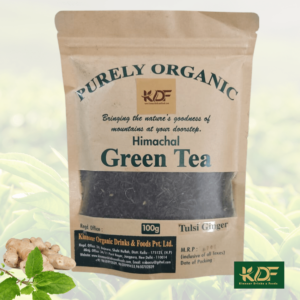


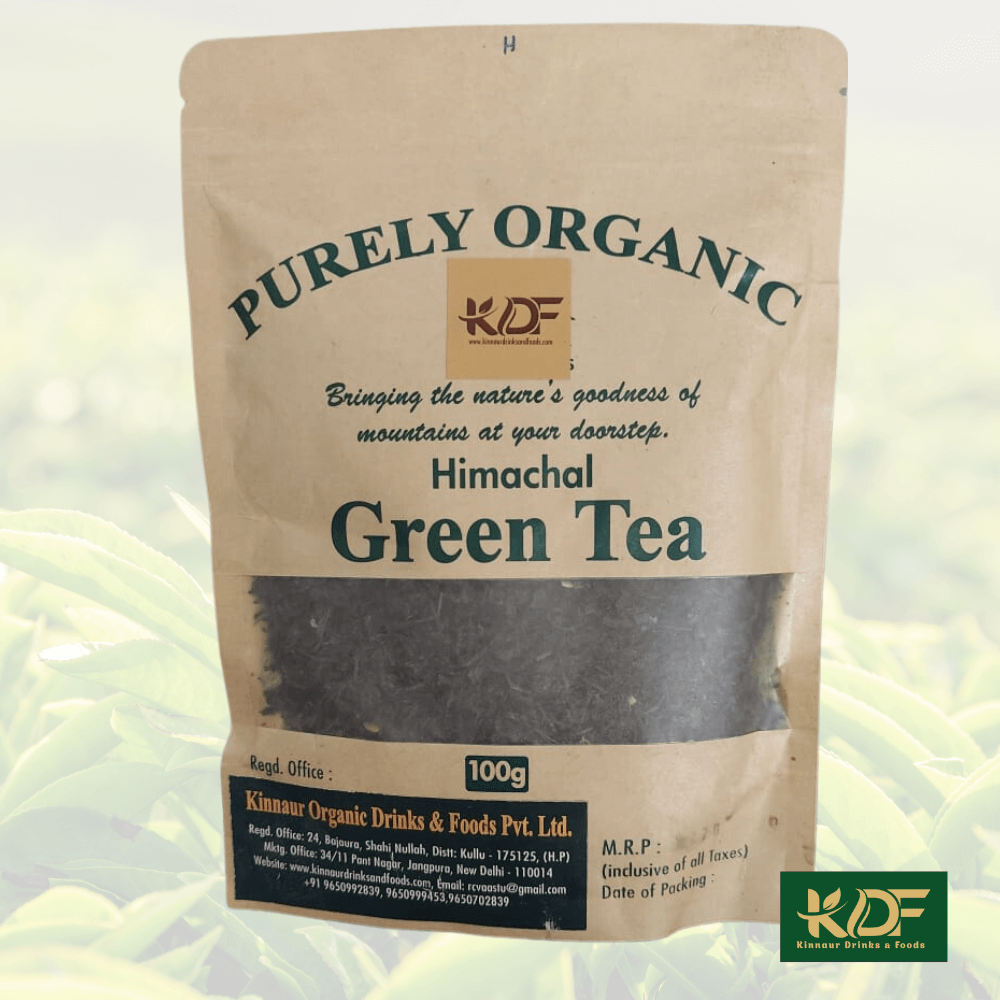
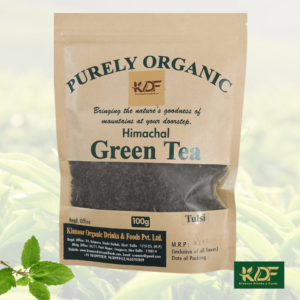
Organic Green Tea

200.00

Category:

Product description

Organic Himalayan Green Tea – Grown at Altitude, Chemical-Free

There is a meaningful difference between green tea grown commercially at lower altitudes with chemical inputs and green tea grown organically in the Himalayan foothills. Altitude slows the growth of the Camellia sinensis plant, concentrating EGCG (the primary antioxidant catechin) in the leaves. Chemical-free cultivation means no synthetic residues on the leaf you’re steeping in water you’re about to drink.

Our Organic Green Tea is grown in Himalayan growing conditions, processed without synthetic inputs, and FSSAI certified. It competes on quality rather than price – and at its price point, it is significantly better value than imported “premium” green teas that have simply been well-marketed.

What Himalayan altitude does to green tea quality

Compound / Property Benefit / Detail
EGCG (Epigallocatechin gallate) The primary catechin antioxidant in green tea. Higher concentration in high-altitude, slow-grown tea. Research suggests EGCG may support cardiovascular health, metabolism, and immune function.
L-theanine An amino acid unique to tea (and certain mushrooms). Promotes calm, alert focus – the reason green tea produces a different kind of alertness than coffee. Concentration increases in shaded/altitude growing.
Caffeine (moderate) Green tea contains approximately 25–35mg per cup – roughly one-third of coffee. Enough for mild alertness, low enough to avoid most caffeine-related anxiety.
Chlorophyll Gives green tea its colour and contributes to its mild vegetal, slightly grassy flavour. Higher in organically grown leaves.
Antioxidant polyphenols Beyond EGCG, green tea contains a broad spectrum of polyphenol antioxidants. Research consistently associates regular green tea consumption with markers of oxidative stress reduction.
No synthetic residues Organically certified – no pesticide residue on the leaf. Relevant when the leaf is directly steeped in the water you drink.

Buy Organic Himalayan Green Tea

Chemical-free. High-altitude Himalayan cultivation. FSSAI certified. Free delivery on orders above ₹2,500.
How to brew Kinnaur Organic Green Tea

The single most important instruction

Green tea is ruined by boiling water. Use water at 75–80°C - just before it comes to the boil. Boiling water scorches the delicate catechins and produces a bitter, astringent cup that puts most people off green tea permanently. If you've decided you "don't like green tea" before, you may have been brewing it wrong.

  • Water temperature: 75–80°C. Remove kettle from heat 2–3 minutes before brewing, or use a temperature-controlled kettle.
  • Amount: 1 teaspoon (2g) of loose leaf per 200ml of water.
  • Steep time: 2–3 minutes. Do not over-steep - longer steep times increase bitterness without increasing health benefit.
  • Second infusion: Quality green tea can be steeped 2–3 times with the same leaves. The second and third infusions are often mellower and sweeter.
  • No milk: Milk proteins bind to catechins, reducing bioavailability. Green tea is best without milk.

When to drink it

  • Morning: A gentler caffeine lift than coffee - focus without the spike and crash. Pairs well with a light breakfast.
  • Between meals: Green tea has been associated with satiety signalling - may help reduce between-meal snacking.
  • Afternoon: Unlike coffee, green tea's L-theanine-moderated caffeine allows afternoon consumption without disrupting sleep for most people.
  • Not on an empty stomach (initially): Green tea's tannins can cause mild nausea in some people when consumed without food - if you're new to it, have it with or after a light meal.

Frequently asked questions

Is Himalayan green tea better than regular green tea?

Higher altitude generally produces higher EGCG and L-theanine concentrations - so yes, by those measures. The flavour is also typically cleaner and less astringent. Whether it's "better" also depends on your taste preference - Himalayan green tea has a lighter, more delicate flavour than the stronger Japanese or Chinese varieties that some drinkers prefer.

How is this different from your Tulsi, Lemongrass, or Tulsi-Ginger green tea?

This is the plain green tea base - just Himalayan Camellia sinensis leaves, nothing added. The other variants add specific herbs to the same base. If you want the clearest sense of the tea itself before choosing a blend, start with the plain version. See our other green tea variants for comparisons.

Does green tea contain caffeine?

Yes - approximately 25–35mg per cup, depending on brewing time and leaf quantity. This is roughly one-third of a standard espresso. Sensitive caffeine responders or those who avoid caffeine entirely should consider our Seabuckthorn Herbal Tea, which is naturally caffeine-free.

Can I drink this during pregnancy?

Moderate green tea consumption (1–2 cups daily) is generally considered acceptable during pregnancy, but the caffeine and high EGCG concentration mean some practitioners recommend limiting intake. Consult your doctor or midwife.

Also in our tea range: Green Tea with Tulsi, Tulsi-Ginger Green Tea, Lemongrass Green Tea, and the completely different Seabuckthorn Herbal Tea (caffeine-free).

Additional information

Quantity

100gm